Hypertension and Zinc Deficiency: What You Need to Know

Hypertension | Texas Kidney Institute | Nephrologist in Texas

High blood pressure (also known as hypertension) affects nearly half of all U.S. adults, yet many people aren’t aware of the connections between zinc and blood pressure and kidney health. Your kidneys play a crucial role in regulating blood pressure, and when one system struggles, the other often follows. 

Zinc and blood pressure regulation also go hand-in-hand, as this essential mineral supports healthy kidney function and may help maintain normal pressure levels. If you’re concerned about kidney health, it’s important to understand how zinc impacts hypertension, why balance matters, and what you can do to keep both your blood pressure and kidneys healthy.

What Is Hypertension and Why Does It Matter?

Hypertension happens when the force of your blood pushing against artery walls is consistently too strong, which is why it’s also known as high blood pressure. Over time, this constant pressure damages your blood vessels and organs, particularly your heart, brain, and kidneys.

Your kidneys rely on healthy blood vessels to filter waste and regulate fluid levels. Chronic high blood pressure can cause these vessels to narrow, weaken, or stiffen, leading to reduced kidney function or kidney disease. Likewise, kidney disease can make it harder for your body to control blood pressure—creating a dangerous cycle.

Maintaining blood pressure in a healthy range is one of the ways to protect your kidneys and overall health.

Is There a Correlation Between Zinc and Blood Pressure?

As hypertension continues to impact millions of Americans, researchers have been looking at how zinc and blood pressure are connected. Research has found that low zinc levels are linked to higher rates of high blood pressure—particularly among individuals with conditions like diabetes or kidney disease.

Low zinc and blood pressure struggles often go hand in hand, as zinc deficiency can disrupt the body’s ability to regulate sodium, retaining too much and thereby increasing fluid volume and arterial pressure. Conversely, healthy zinc levels help the kidneys excrete sodium more effectively, supporting healthier blood pressure.

How Zinc Supports Blood Pressure Regulation

Inside your kidneys, a protein called the sodium-chloride symporter (NCC) helps regulate things, extracting sodium from your bloodstream that would otherwise turn into excreted urine. Zinc has the ability to affect a broad variety of proteins that help the NCC function, so a deficiency can unbalance the system, leading to excess sodium and higher blood pressure.

Zinc supports healthy blood pressure in several key ways:

  • Maintains sodium balance: Helps regulate how your kidneys handle sodium, preventing fluid retention.
  • Supports kidney and cardiovascular function: Keeps blood vessels and kidney tissues functioning properly.
  • Reduces oxidative stress and inflammation: Acts as an antioxidant to protect cells from damage caused by chronic inflammation—a major contributor to hypertension.

By promoting these functions, zinc plays an indirect but important role in helping you maintain balanced blood pressure, reinforcing the strong connection between zinc and blood pressure control.

Ways to Add More Zinc to Your Diet

In a research study directly observing hypertension and zinc consumption together, mice fed low-zinc diets developed hypertension—but when given more zinc, their blood pressure returned to normal. By incorporating more foods high in zinc into your personal dietary habits, you could have better control over your own blood pressure and health.

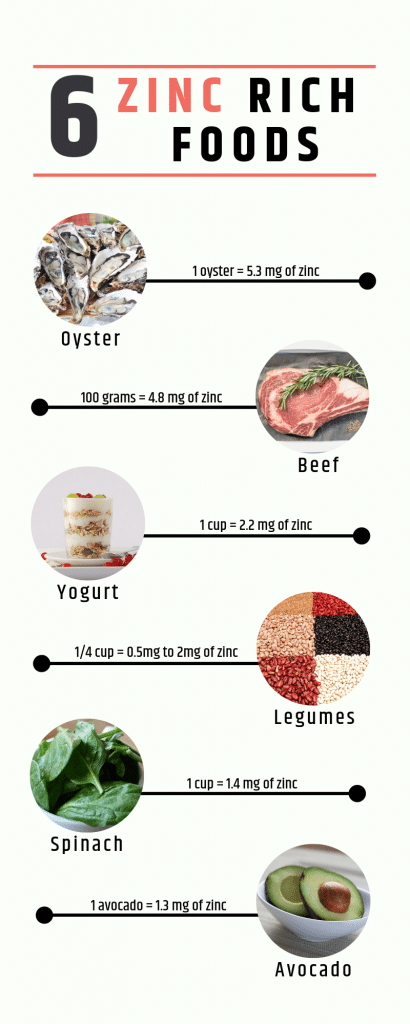
Here are some great zinc-rich foods to include:

Animal-Based Sources:

  • Oysters (highest natural source)
  • Beef and lamb
  • Chicken and turkey
  • Yogurt and cheese
  • Eggs

Plant-Based Sources:

  • Legumes (lentils, chickpeas, beans)
  • Pumpkin seeds and cashews
  • Whole grains
  • Spinach and kale
  • Avocado

Remember to opt for fresh, low-sodium preparations whenever possible to maintain a healthy balance of zinc and blood pressure.

Zinc Rich Foods | Texas Kidney Institute | Nephrologist in Texas

Balancing Zinc and Sodium for Healthy Blood Pressure

While zinc helps your body manage sodium, too much sodium can undo its positive effects. For example, meat products are rich in zinc, but often also heavily seasoned with sodium, potentially counteracting the benefits. A high-sodium diet causes your body to retain fluid, raising blood pressure and straining your kidneys.

To maintain balance:

  • Read labels: aim for less than 2,300 mg of sodium per day (or lower if advised by your doctor).
  • Cook at home: control your seasoning and use herbs or lemon juice instead of salt.
  • Stay hydrated: proper fluid intake helps flush excess sodium.
  • Eat whole foods: limit processed or fast foods, which are often loaded with sodium.

By balancing zinc and sodium, you’re supporting your body’s natural mechanisms for regulating zinc and blood pressure effectively.

What Else Can You Do to Actively Watch Your Blood Pressure

Beyond nutrition, several daily habits can help you manage blood pressure effectively:

  • Stay active: Aim for at least 30 minutes of moderate exercise most days.
  • Reduce stress: Try deep breathing, meditation, or yoga to improve physical health and promote healthy vital levels.
  • Eat a balanced diet: Focus on fruits, vegetables, lean proteins, and whole grains.
  • Avoid smoking and limit alcohol: Both can increase blood pressure and damage blood vessels.
  • Monitor at home: Track your blood pressure regularly to catch early changes.
  • Get enough sleep: Poor sleep quality can raise blood pressure over time.

It’s important to consult with a professional before making any extreme changes to your diet or exercise routines, however, as there could be health risks associated with major, sudden changes.

When to Talk to a Doctor

If your blood pressure remains high despite lifestyle changes, or if you have kidney disease, diabetes, or a family history of hypertension, it’s important to see a nephrologist or primary care provider. They can help identify underlying causes, run lab tests (including zinc levels if appropriate), and tailor a plan that supports both your kidney and heart health.

Focus on Preventing Kidney Issues Before They Start

Prevention is the best medicine. Developing and maintaining a healthy lifestyle can appear overwhelming at first, but you can start small—swap one salty meal for a fresh option, walk a few extra minutes a day, or schedule that long-overdue check-up. Over time, these choices strengthen your kidneys, heart, and overall well-being, preventing life-threatening diseases.

Don’t underestimate the amount of change you can make for yourself with small life decisions and research. Understanding the link between zinc and blood pressure can help you take proactive steps toward a healthier, longer life.

FAQs

1. How do I know if I’m zinc deficient?
Common signs include fatigue, frequent illness, slow wound healing, or hair loss. A blood test can confirm low zinc levels.

2. Can taking zinc supplements lower my blood pressure?
Supplements can help if you’re deficient, but too much zinc can interfere with other minerals like copper. Always check with your doctor before starting any supplement.

3. Is sea salt better for blood pressure than table salt?
Not necessarily, as both contain sodium. The key is moderation, not the type of salt used.

4. Can kidney disease cause high blood pressure?
Yes. Damaged kidneys can’t regulate sodium and fluid properly, which raises blood pressure, creating a harmful cycle.

Take Charge of Your Kidney and Heart Health

Managing your blood pressure starts with awareness, small daily habits, and understanding how nutrients like zinc and blood pressure work together with your kidneys.

If you’re ready to learn more about hypertension, kidney health, or personalized treatment options, contact Texas Kidney Institute today. Our team is here to help you live healthier—one smart choice at a time.