 (214) 396-4950
 (214) 613-2925

Living with chronic kidney disease (CKD) in the Dallas-Fort Worth area means navigating a world of flavorful foods, from savory Tex-Mex to classic Texas BBQ. The good news is that protecting your kidney health doesn’t mean giving up delicious meals. It’s about making smarter, kidney-friendly choices. At Texas Kidney Institute, our nephrologists and dietitians are here to help you create a personalized nutrition plan that works for your health and your lifestyle.
Understanding how food impacts your kidneys is the first step toward feeling empowered and in control of your health. This guide will walk you through the best foods for your kidneys, offer tips for navigating DFW’s food scene, and provide practical advice to make your renal diet simple and sustainable.
Understanding Kidney-Friendly Nutrition
When your kidneys aren’t working at their best, certain minerals and waste products can build up in your blood. A renal diet is designed to limit these substances to reduce strain on your kidneys. The main nutrients to monitor are sodium, potassium, phosphorus, and protein.
Sodium
Too much sodium can raise your blood pressure and cause fluid to build up, making your heart and kidneys work harder. The goal is to limit high-sodium processed foods and restaurant meals.
Potassium
Potassium is an important mineral, but for those with CKD, levels can become too high and affect their heart rhythm. Make sure your doctor is aware—they’ll monitor your blood levels and advise if you need to limit high-potassium foods like bananas, potatoes, and tomatoes. CKD patients should also avoid salt substitutes like NoSalt or NuSalt as these are potassium chloride and may pose a risk. However, you can use pepper and Mrs. Dash as seasoning.
Phosphorus
Healthy kidneys remove excess phosphorus. When they can’t, it builds up and can pull calcium from your bones, making them weak. Phosphorus is often added to processed foods, so reading labels is key.
Protein
Protein is essential, but too much can create more waste for your kidneys to filter. The right amount of protein depends on your stage of kidney disease and whether you are on dialysis. Your care team will guide you on your specific protein needs.
The Best Foods for Your Kidneys
Focusing on fresh, whole foods is the foundation of a kidney-friendly diet. Here are some of the best choices you can make:
Low-Sodium Proteins
- Fish: Salmon, cod, and sea bass are rich in omega-3 fatty acids, which help reduce inflammation.
- Poultry: Skinless chicken or turkey breast, baked, grilled, or roasted.
- Eggs: Egg whites are an excellent source of pure, high-quality protein.
- Lean Red Meat: In moderation (specifically 3-4 oz), lean cuts like sirloin can be part of a renal diet. Ask your butcher for the leanest options available.
- Plant-Based Proteins: Tofu, edamame, and tempeh are rich in essential amino acids and lower in sodium than processed meats.
- Plain Greek Yogurt: This is seamless to fit into your daily routine, and contains high-quality protein and calcium; choose unsalted/plain and take in moderation to limit phosphorus intake.
Lower-Potassium Fruits and Vegetables
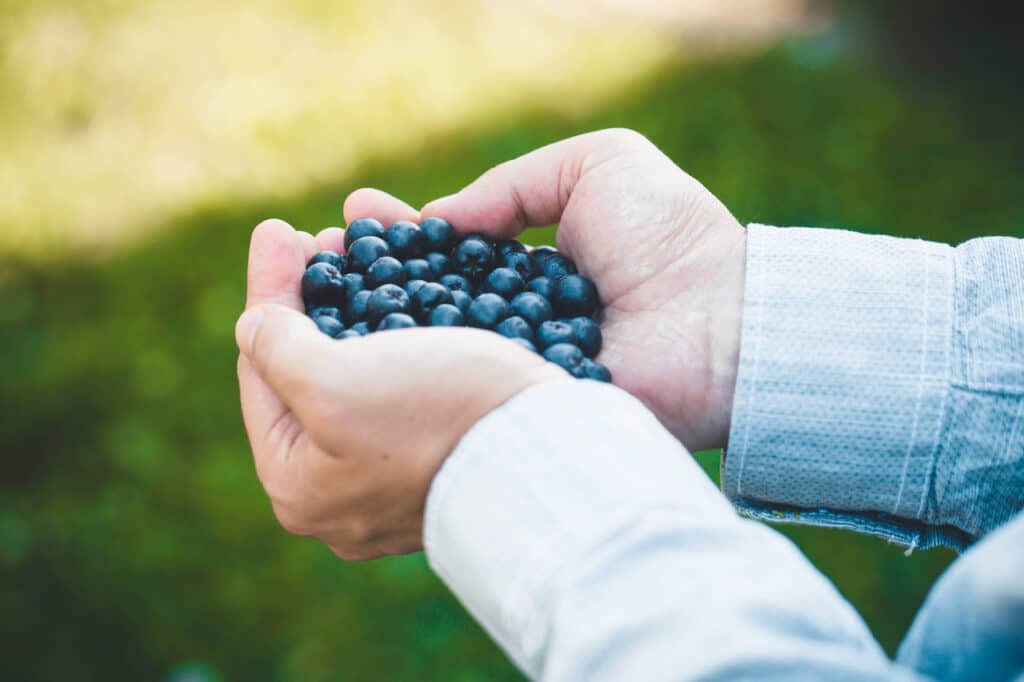
- Fruits: Apples, berries (strawberries, blueberries, raspberries), grapes, and pineapple.
- Vegetables: Cabbage, cauliflower, bell peppers, onions, and asparagus. A great tip is to boil higher-potassium vegetables like potatoes to help leach out some of the minerals.
Kidney-Friendly Grains and Starches
- Whole Grains: Your dietician may recommend limited amounts of whole grains to restrict phosphorus and potassium intake.
- Corn and Rice Tortillas: These are excellent lower-potassium choices for your Tex-Mex favorites.
- Low-Sodium Crackers/Unsalted Pretzels: Provide quick carbohydrates without excess sodium.
- Pita Bread (White Flour): Mild and low-potassium; works well for sandwiches or dips.
- Mashed Potatoes (Leached): Boiling first reduces potassium, making potatoes safer for a kidney diet, but be sure to consult with your dietitian before making this a part of your diet.
Healthy Fats
- Olive Oil: Use it for cooking and in salad dressings.
- Avocado: While higher in potassium, small amounts may be okay depending on your lab results. Always check with your dietitian.
- Chia Seeds: Provide omega-3s and fiber. Small portions are kidney-friendly.
- Unsalted Nuts (Almonds, Macadamias, Walnuts): Healthy fats and protein; limit portions to control phosphorus.
- Nut Butters (Unsalted): Concentrated source of protein and healthy fat.
- Fatty Fish Oils: Omega-3 supplementation can reduce inflammation, supporting kidney and heart health.
Flavorful Herbs and Spices
Instead of salt, flavor your food with garlic powder, onion powder, paprika, cumin, oregano, black pepper, and fresh herbs like cilantro and parsley.
Reading Food Labels and Smart Shopping
Navigating grocery stores like H-E-B, Kroger, or Central Market is easier when you know what the best foods for your kidneys are.
- Check Sodium Content: Look for foods with less than 140 mg of sodium per serving.
- Spot Hidden Phosphorus: Scan ingredient lists for words containing “phos,” such as “calcium phosphate.” These additives are easily absorbed by the body.
- Shop the Perimeter: Focus on fresh produce, lean meats, and fish. Be cautious in the center aisles, where processed and packaged foods are common.
Foods to Limit or Avoid
To protect your kidneys, it’s best to reduce your intake of:
- Processed Meats: Bacon, sausage, hot dogs, and deli meats are high in sodium and preservatives.
- Canned Soups and Frozen Dinners: These are often loaded with salt.
- Dark-Colored Sodas and Colas: They contain phosphoric acid, a form of phosphorus that is highly absorbable.
- High-Potassium Foods (if advised): Potatoes, tomatoes, bananas, oranges, and dairy products may need to be limited based on your bloodwork.
- Salty Snacks: Pretzels, chips, and salted nuts.
Sample 1-Day Renal Diet Plan
This is a general guide. Your portion sizes and food choices should be personalized with your dietitian.
Version 1: For Early-Stage CKD (Non-Dialysis)
- Breakfast: Scrambled egg whites (from 2 eggs) with diced bell peppers and onions, served with one slice of white toast with unsalted butter.
- Lunch: Grilled chicken salad with 3 oz of chicken breast, mixed greens, cucumber slices, shredded carrots, and a vinaigrette made with olive oil and vinegar.
- Dinner: 4 oz baked salmon seasoned with lemon and dill, served with a half-cup of white rice and a cup of steamed green beans.
- Snack: A small apple or a handful of fresh blueberries.
Version 2: For Dialysis Patients
(Dialysis diets often require more protein and have stricter potassium/phosphorus limits.)
- Breakfast: One cup of Cream of Rice cereal with a sprinkle of cinnamon, served with one slice of white toast with jelly.
- Lunch: Turkey sandwich on white bread with 4 oz of sliced turkey, lettuce, and mayonnaise. Served with a side of coleslaw made with a vinegar-based dressing.
- Dinner: 5 oz lean beef patty on a white bun with lettuce and onion. Served with a half-cup of cooked carrots.
- Snack: A cup of fresh pineapple chunks.
A Note on Hydration: Your fluid needs will vary. Some people with CKD need to limit fluids, while others do not. Always follow your nephrologist’s specific guidance on how much you should drink each day.
Example Kidney-Friendly Shopping List for 5 Weeknight Dinners
Planning your meals is one of the best ways to stick to your renal diet. This sample shopping list provides the ingredients for five simple, kidney-friendly dinners, with enough for about four servings each.
Remember, this is just a general guide. Your specific needs, especially regarding protein, potassium, and fluid, depend on your lab results and stage of kidney disease. Always consult your dietitian at Texas Kidney Institute to personalize your shopping list. And check out some of our recipes here for more ideas beyond the list below.
Produce
- Onions: 2 large (yellow or white)
- Bell Peppers: 2 (any color)
- Garlic: 1-2 heads
- Green Beans: 1 lb fresh or frozen
- Asparagus: 1 bunch
- Cabbage: 1 small head (for slaw)
- Carrots: 1 lb bag
- Cucumbers: 2
- Mixed Salad Greens: 1 large container
- Apples: 4
- Blueberries: 1 pint (fresh or frozen)
- Lemons: 2
- Limes: 2
- Fresh Cilantro: 1 bunch
A note on potassium: If you need to follow a lower-potassium diet, you may need to limit or boil certain vegetables (like potatoes, which are not on this list) to reduce their potassium content.
Proteins
- Skinless, Boneless Chicken Breasts: 2 lbs
- Early CKD: Aim for about 3-4 oz per serving.
- Dialysis: You may need a larger portion of 4-5 oz per serving.
- Salmon Fillets: 4 (approx. 4-5 oz each)
- Lean Ground Turkey or Chicken: 1 lb
- Eggs: 1 dozen
Grains & Starches
- White Rice: 1 small bag
- Corn Tortillas: 1 package (check for low sodium)
- White Bread or Buns: 1 loaf/package (look for options without added phosphorus)
Pantry & Seasonings
- Olive Oil
- White Vinegar or Apple Cider Vinegar
- Low-Sodium Chicken Broth
- Spices: Chili powder, cumin, garlic powder, onion powder, dried oregano, black pepper, paprika (look for salt-free blends)
- Honey or a small amount of sugar (for dressings/glazes)
- Cornstarch
- Unsalted Butter or Margarine
Check the labels: Always look for “no salt added” or “low sodium” on canned goods and broths. Scan the ingredient list for words with “phos-” to avoid phosphorus additives.
Dairy & Alternatives
- Unsweetened Almond Milk or Rice Milk (check for no added phosphorus)
Dinner Ideas for the Week:
- Lemon Herb Salmon: With roasted asparagus and white rice.
- Chicken Tacos: Use ground chicken seasoned with salt-free taco spices on corn tortillas with shredded cabbage, cilantro, and a squeeze of lime.
- Sheet-Pan Chicken & Veggies: Chicken breast, bell peppers, and onions tossed in olive oil and herbs.
- Pulled Chicken Sandwiches: Slow-cook chicken breasts in low-sodium broth and a touch of salt-free BBQ spices. Serve on white buns with a simple vinegar-based coleslaw.
- Stir-fry: Use leftover chicken or turkey with green beans, carrots, and peppers in a simple sauce made with low-sodium broth, a little honey, and cornstarch. Serve over rice.
Frequently Asked Questions (FAQ)
- Do I have to give up all my favorite foods?
Not necessarily. A renal dietitian can help you modify recipes and find kidney-friendly swaps. For example, use salt-free spices for your BBQ rub or choose corn tortillas and fresh salsa for Tex-Mex night. - Is a renal diet the same for everyone?
No. Your diet will be customized based on your stage of kidney disease, your lab results (like potassium and phosphorus levels), and other health conditions like diabetes. - Can I eat at restaurants?
Yes, with some planning. Look at menus online beforehand. Ask for sauces and dressings on the side, request that your food be cooked without added salt, and choose grilled or baked options over fried ones. - What are the best low-potassium snacks?
Apples, grapes, strawberries, cranberries, pineapple, bell pepper strips, cucumbers, and unsalted crackers are all great options. - How much protein do I need?
Protein needs change. In early-stage CKD, you may need to limit protein. If you are on dialysis, you will likely need to eat more protein to replace what is lost during treatment. Your care team will give you a specific daily target. - What is a phosphorus binder?
If diet alone can’t control your phosphorus levels, your doctor may prescribe a medication called a phosphorus binder. You take it with meals to help block the absorption of phosphorus from your food. - Why are whole grains sometimes limited on a renal diet?
Whole grains are higher in phosphorus and potassium than refined grains. For some CKD patients, limiting them is necessary to keep blood levels in a safe range. - Is drinking a lot of water good for my kidneys?
It depends. While hydration is important, if your kidneys can’t get rid of excess water, you may need to limit your fluid intake to prevent swelling and shortness of breath. Follow your doctor’s advice.
Your Diet Is Personal
This guide provides a great starting point on the best foods for kidney health, but the best diet for your kidneys is one that is tailored to you. Your lab results, medications, and stage of kidney disease all play a role. The most important step you can take is to work with your healthcare team.
Take Control of Your Kidney Health with Texas Kidney Institute
Navigating a renal diet can feel overwhelming, but you don’t have to do it alone. The expert dietitians at Texas Kidney Institute are here to partner with you. We can help you understand your lab results, create meal plans you’ll actually enjoy, and empower you to make the best choices for your health.
If you live in the Dallas-Fort Worth area, schedule a consultation with one of our nutrition experts today. Let’s build a plan that works for you.
